If you’re planning a snow trip this winter, you’ve probably asked yourself: Do I really need to wear a helmet when I ski? It’s a fair question—especially for first-time skiers or those heading to Aussie resorts like Mount Buller, Thredbo or Perisher. After all, helmets haven’t always been part of the snow scene. But the short answer today is: yes, you should wear one. Here’s why.
Contents
The Evolution of Ski Safety
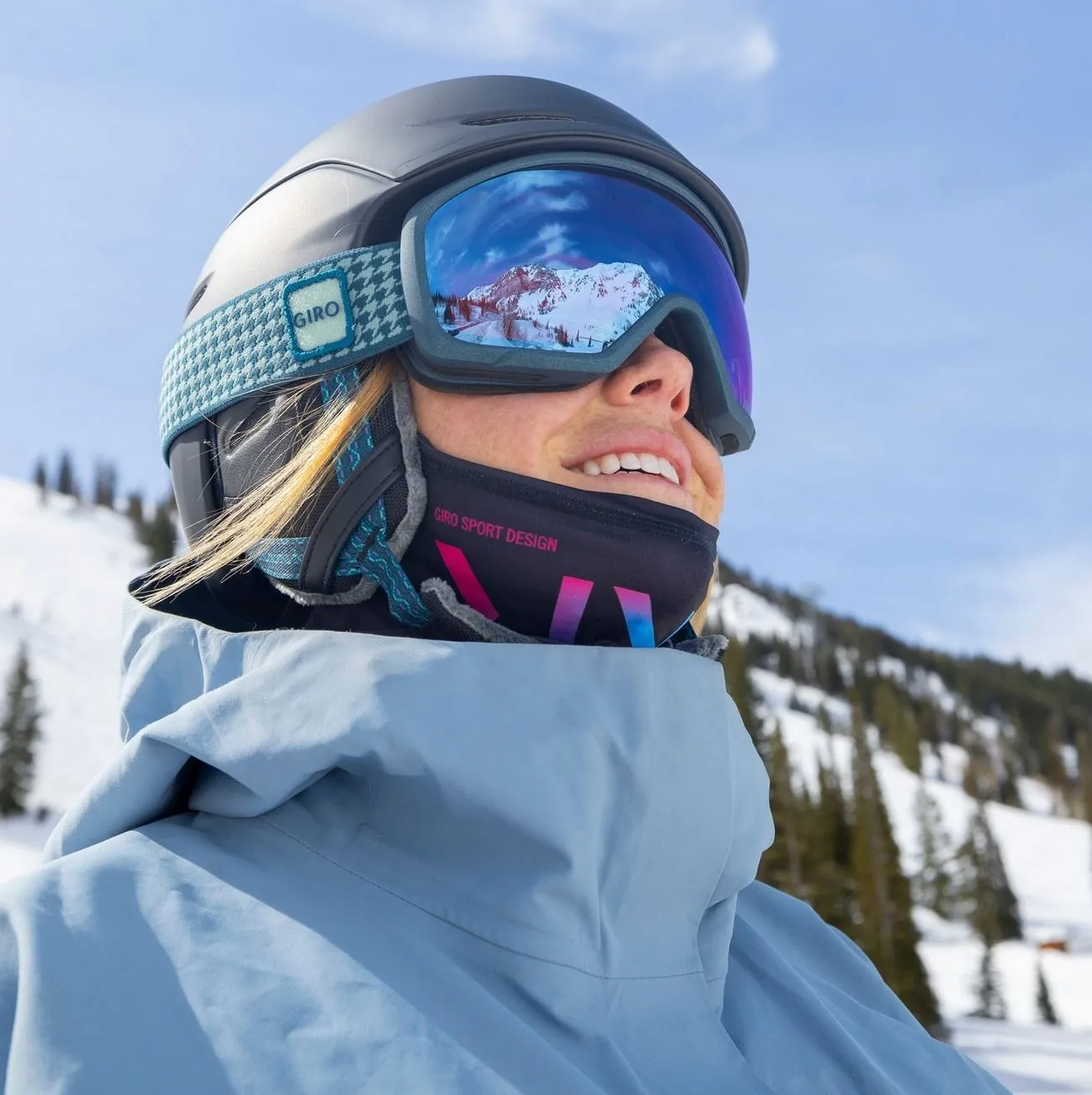
Once upon a time, skiing was all about beanies, sunglasses, and windburn. Helmets were mostly seen on pros or kids. But that’s changed—fast. As resorts grew busier and terrain parks became popular, injuries followed. The result? Ski helmets are now mainstream.
In Australia, most snow resorts don’t legally require helmets for adults, but they strongly recommend them. For kids enrolled in ski schools or lessons, helmets are usually mandatory. Overseas, some countries and resorts have stricter helmet rules, especially in Europe and North America.
Do Helmets Really Make a Difference?
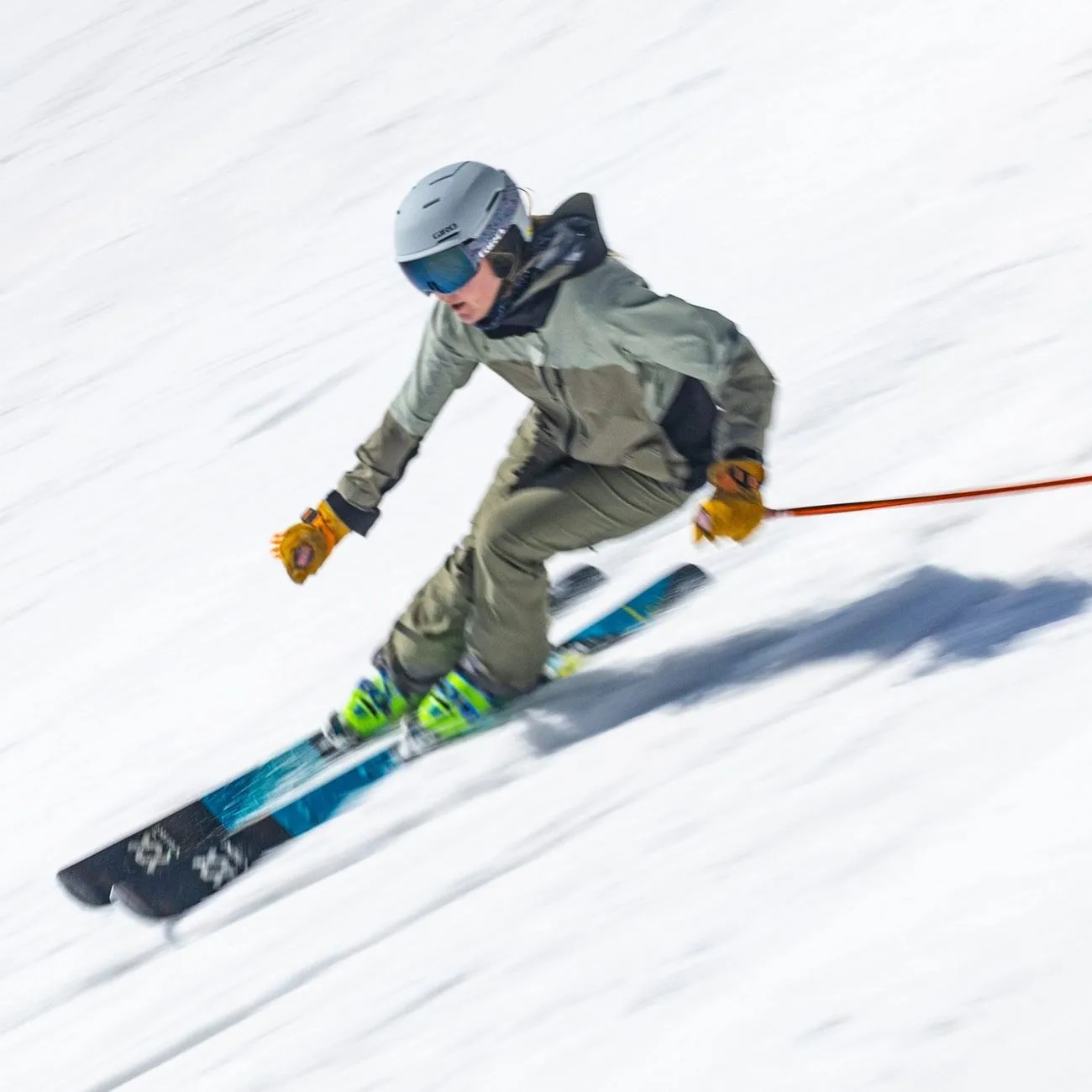
Yes, absolutely. The stats are in: wearing a helmet can reduce the risk of serious head injury by up to 60%. Helmets don’t make you invincible—but they can mean the difference between a bruise and a brain injury.
A 2019 report from the American Journal of Epidemiology found a significant drop in head trauma across ski fields following helmet adoption. Similar trends have been noted in Australia, where resorts continue to push helmet usage, especially among families.
Real-Life Stories from the Slopes
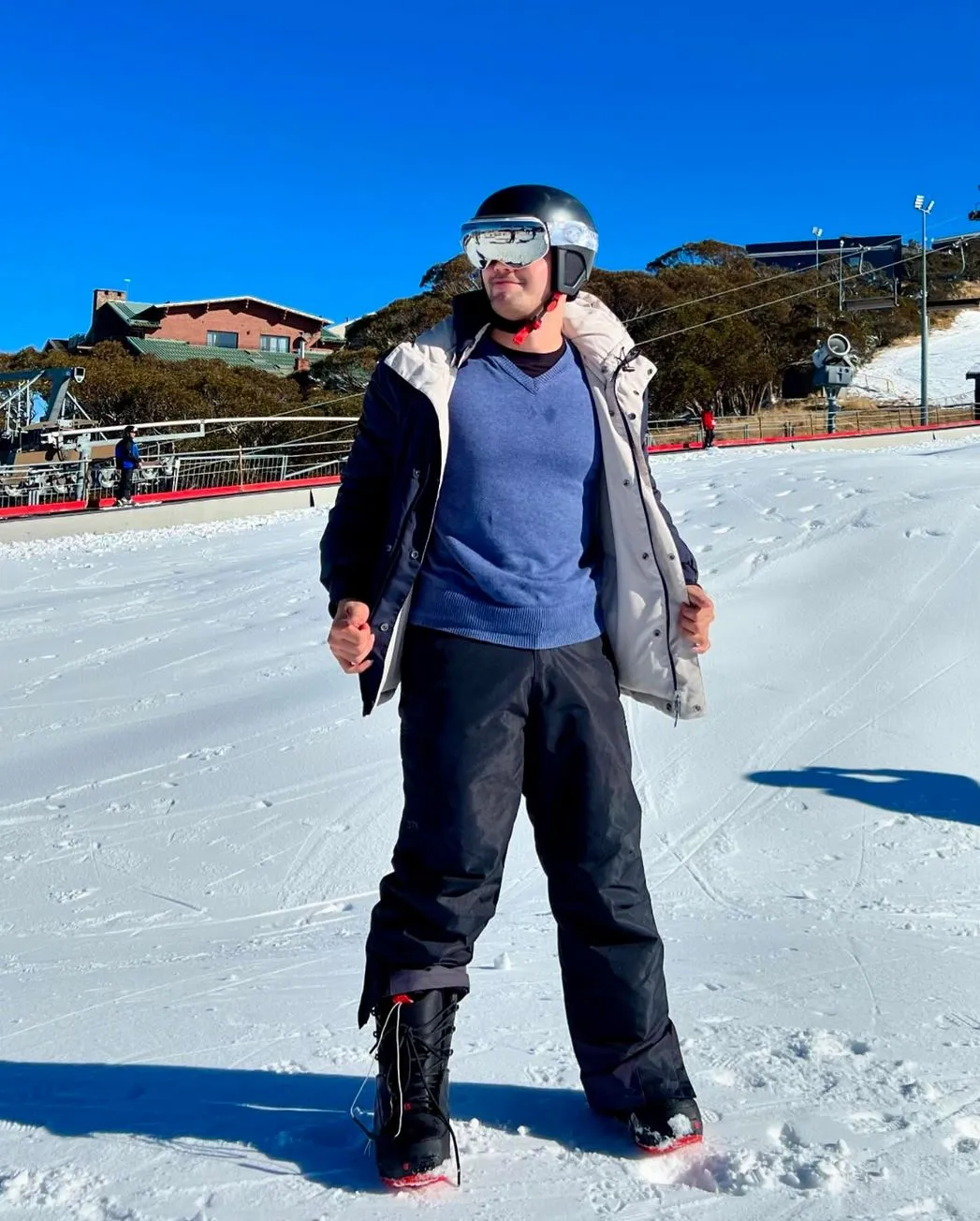
As someone who’s spent over 20 years exploring snowfields—from the Snowy Mountains to the Swiss Alps—I’ve seen both sides. I’ve skied powdery black runs with advanced skiers who swear by helmets. I’ve also seen beginners lose control on a green run and collide with a tree. In many of those moments, it was the helmet that saved the day.
One memorable story: at Mount Hotham, a friend of mine caught an edge on an icy patch and slammed backward. The impact cracked his snow helmet. Without it, he would’ve been airlifted out with a likely head injury—or worse.
On that same trip, we later joined an Autopia Tours group for a scenic drive to nearby Bright and Mount Buffalo. Great recovery day—and a good reminder that winter sports can be unpredictable.
If you’re not keen to self-drive, a Mount Buller tour is a great way to experience the snow without the stress. Many day tours include transport, gear hire, and guidance for first-timers.
Is a Helmet Uncomfortable or Uncool?
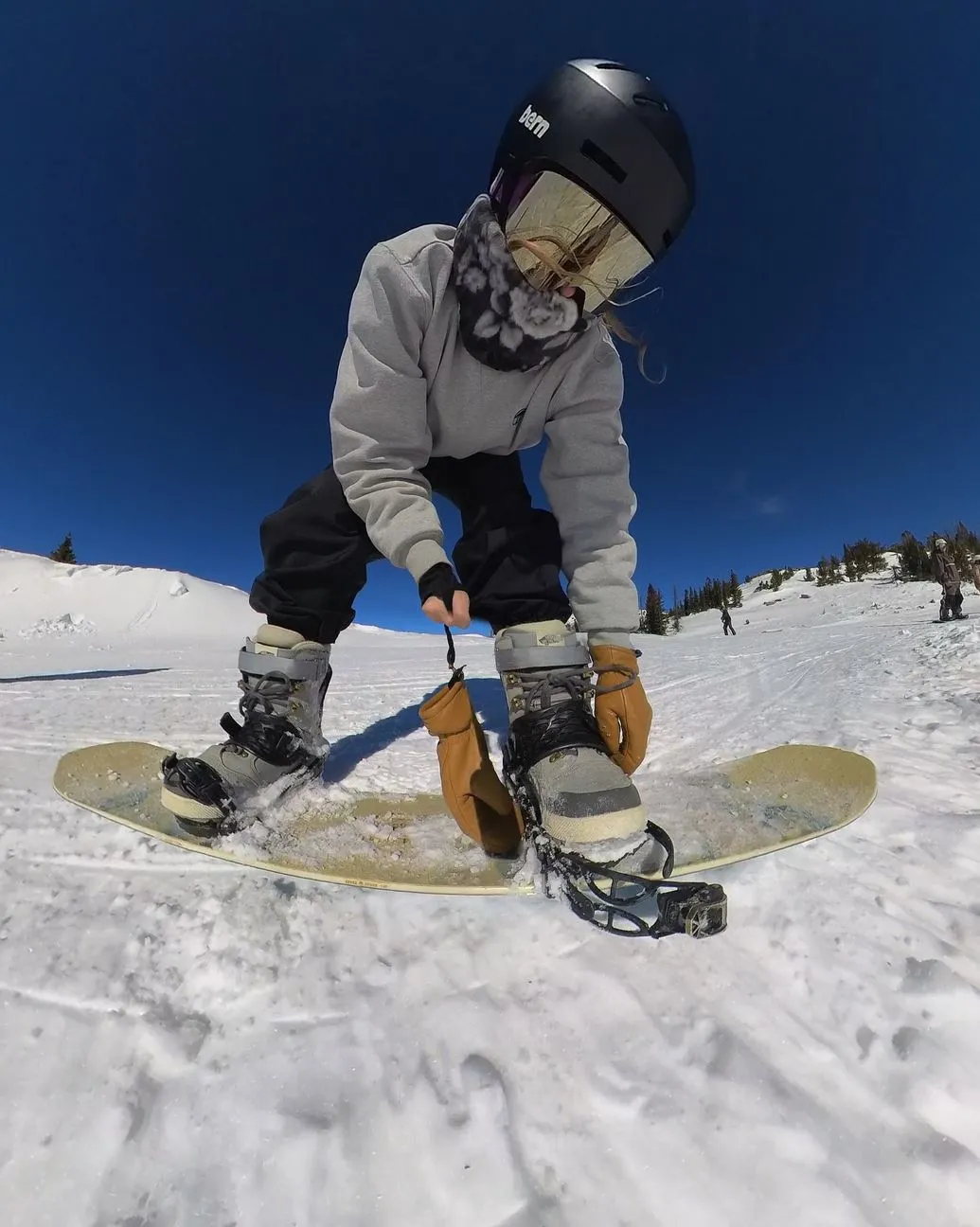
In short—no. Modern snow helmets are lightweight, warm, and well-ventilated. Many come with built-in earphones, camera mounts, and goggle integration. Plus, they’re way more comfortable than a soaked beanie.
And let’s be honest: safety is always cooler than injury. These days, you’ll see influencers, Olympians, and every average skier wearing a helmet for skiing. It’s the new normal, and it’s a good look.
Buying vs Renting: What’s Best for You?
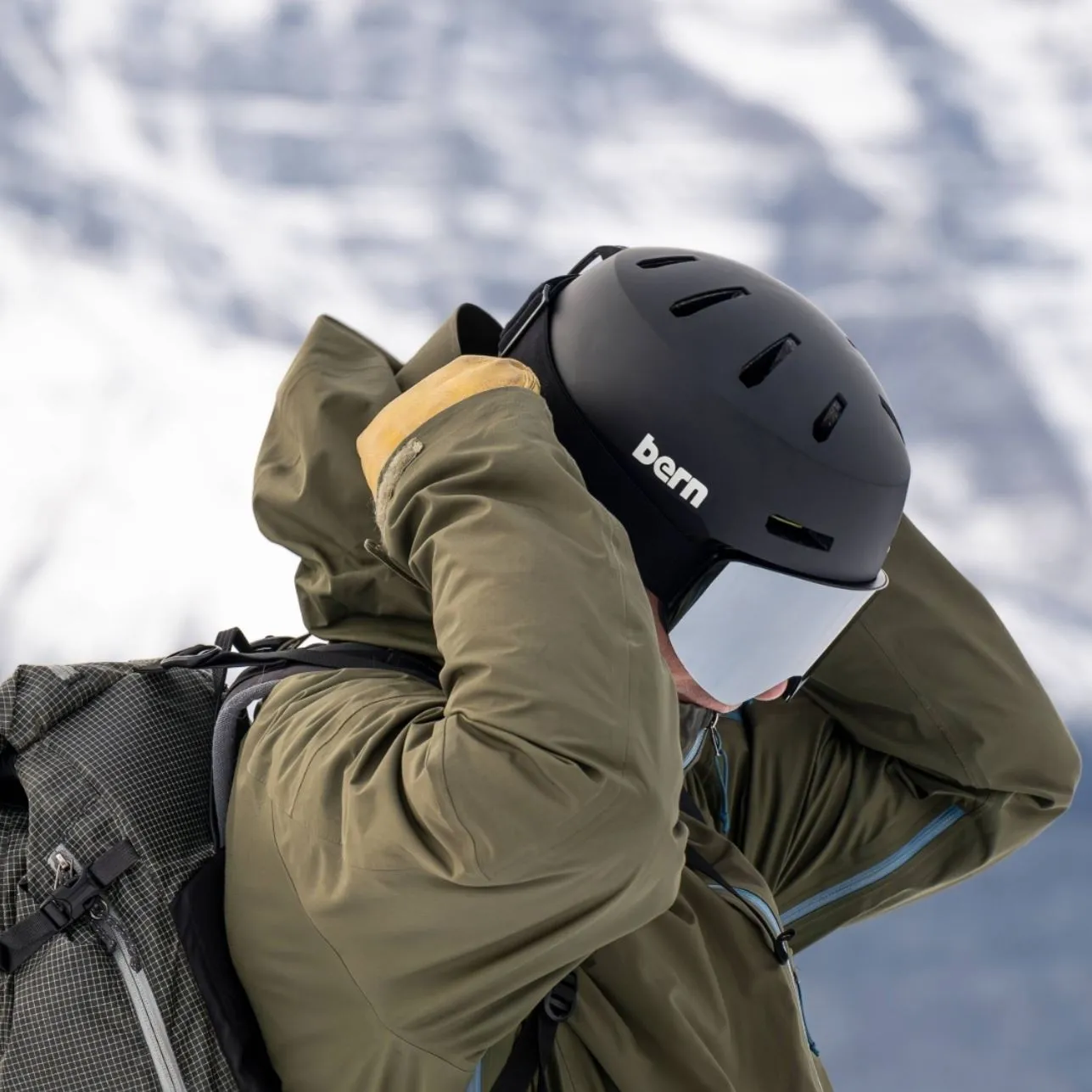
Renting a Helmet
If you’re skiing for the first time or only hit the slopes once a year, renting is a solid option. Resorts like Falls Creek, Thredbo and Mount Buller offer helmet hire for around $15–$25 per day. Rental helmets are cleaned between uses and often updated every few seasons.
Buying a Helmet
If you’re a regular, buying makes sense. You’ll get a perfect fit, your own style, and additional protection. Prices range from $100 to $300, depending on the features. Brands like Giro, Smith, and POC are popular in Australia. Bonus: helmets last 5–10 years if cared for properly.
Helmet Fit Tips:
- Make sure the helmet sits snugly but comfortably.
- Adjust the chin strap so it’s firm but not choking.
- Test it: shake your head side to side. It shouldn’t wobble—even if you’ve got a thick head of hair.
Planning a Safe Ski Trip
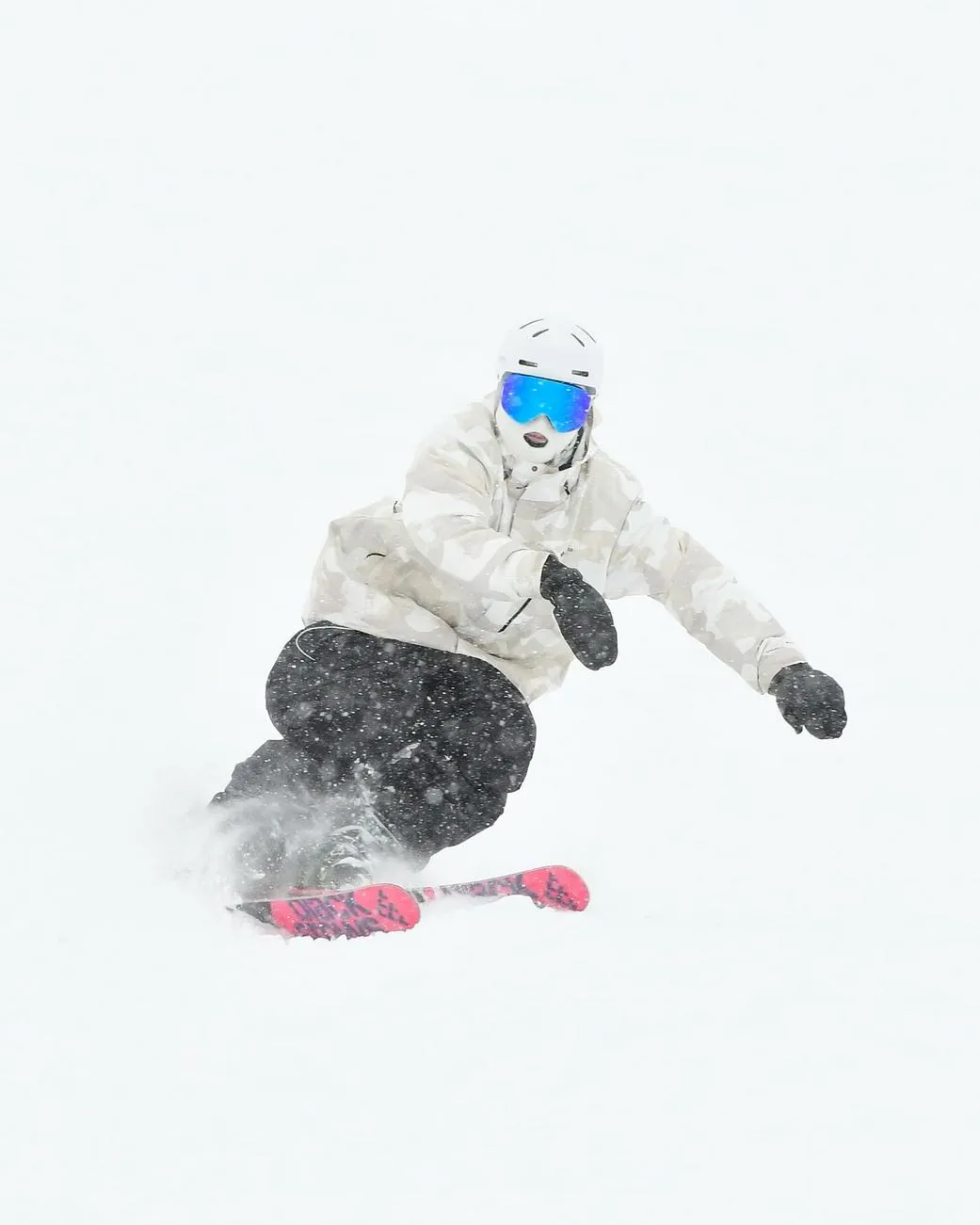
Wearing a helmet is just one piece of the puzzle. Here are other essentials for a safe and fun snow holiday:
- Take a lesson. A qualified ski instructor can help you level up fast, no matter your ability level.
- Layer up right. Moisture-wicking base layers, insulating mid-layers, and waterproof outerwear are key.
- Know your limits. Don’t attempt advanced terrain just because it looks cool in someone’s reel.
- Check the weather. Conditions change fast in the alpine zone—be ready for snowstorms or ice.
- Warm up before skiing. Light stretches or a walk to the lift helps prevent ski injuries.
While in the area, consider a side trip to Lake Jindabyne or the Yarrangobilly Caves—both are stunners and easy to add to a winter itinerary. Many operators, including Autopia Tours, offer seasonal detours that combine snow sports with scenic highlights.
Another popular option for day-trippers is joining a best snow day trip Melbourne. It’s a great pick for travellers wanting to sample snow sports without booking a full ski holiday.
Helmet Laws and Resort Policies
In Australia, helmets aren’t legally required for adult skiers at most resorts, but ski schools and kids’ programs often enforce them. The age range report from various resorts shows increasing uptake among adults too.
Compare that to the US or Canada, where some states and resorts mandate helmets for children or even all skiers. In Italy, as of 2022, helmets are mandatory for everyone under 18.
Before heading overseas, check the specific helmet policies of your destination ski resort—it could affect your insurance coverage if you ignore the rules.
Myths Busted
Let’s clear up a few common misconceptions:
- “I’m just a beginner, I don’t go fast.” Beginners are more likely to fall—and falls often lead to head knocks or chest injury.
- “Helmets block my hearing.” Not true. Most helmets allow for clear hearing, and some even improve it by cutting wind noise.
- “I’ve never worn one and I’ve been fine.” Past luck isn’t a safety plan. Current studies show a significant link between helmet usage and reduced ski injuries.
- “I only snowboard.” Helmets protect snowboarders too—especially since they often fall backwards.
Tips for Families
Most kids take to helmets naturally, especially if they’re comfortable and fun. Here’s how to make it easy:
- Let them pick the colour or style.
- Try a few on to get the right fit.
- Lead by example—if you’re wearing one, they’ll want to as well.
- Make it part of the routine, like sunscreen and gloves.
Even the average person responds better to routine—don’t underestimate the power of habit.
Final Thoughts
Yes. Whether you’re in the Snowy Mountains or the Rockies, a helmet is a simple step that can make a big difference. It’s not just for daredevils or kids—it’s for anyone who values their noggin.
Whether you’re an empathic person worried about your mates, or just an average skier eager to learn some season tricks, a helmet adds extra security.
If you’re headed out with a bunch of people on a ski holiday or just flying solo, add a helmet for skiing to your checklist. Even better if you’re joining a guided group—Autopia Tours runs several snow trips that make safety a core priority.
If you’re short on time but still want to enjoy the snow, a mt Buller day trip is one of the easiest ways to get a full alpine experience in a single day.
You’ll ski more confidently, stay warmer, and look the part. So next time you pack your winter sports gear, don’t forget the helmet. Your future self will thank you.
FAQ
Is wearing a ski helmet mandatory in Australia?
No, not for adults—but it’s strongly recommended. Kids in lessons usually must wear one.
Can I rent a helmet at the ski resort?
Yes. Most Australian resorts offer helmet hire from around $15–$25 per day.
Are ski helmets different from bike helmets?
Yes. Ski helmets are designed for cold weather and specific snow impacts. Don’t substitute.
How long do ski helmets last?
About 5–10 years if undamaged. Replace sooner if it takes a hard hit.
What’s the best way to check if a helmet fits properly?
It should sit snug, not wobble, and the strap should feel firm but comfy under the chin.